

In an increasingly complex financial landscape, securing your family’s long-term financial security is more than just a prudent decision—it’s a necessary strategy for enduring peace of mind. As we navigate through volatile markets, evolving economic policies, and the unpredictability of life events, the need for a well-structured investment plan has never been more critical. This article delves into the analytical frameworks and strategic approaches that can guide you in building a robust financial foundation for your family. By exploring diverse investment vehicles, assessing risk tolerance, and understanding the implications of compounding over time, we aim to equip you with the confidence and knowledge to make informed decisions that will safeguard your family’s future. Whether you’re just starting your investment journey or looking to refine your existing portfolio, this guide offers insights and practical advice to help you achieve enduring financial stability.
Identifying Key Investment Vehicles for Long-Term Growth
In the pursuit of long-term financial growth, selecting the right investment vehicles is crucial. Stocks are often a cornerstone for many investors due to their potential for substantial returns. While they carry higher risk, investing in a diversified portfolio of stocks can mitigate some of that volatility. On the other hand, bonds offer more stability and are less susceptible to market fluctuations, making them a reliable option for those seeking a balanced approach.
- Real Estate: Offers both rental income and potential appreciation, providing a dual benefit for long-term growth.
- Mutual Funds: Managed by professionals, these funds pool resources from various investors to diversify across a wide range of assets.
- Index Funds: Known for low fees and broad market exposure, they replicate the performance of major indices like the S&P 500.
Each of these vehicles serves a distinct purpose in a diversified investment strategy. By understanding and leveraging their unique characteristics, investors can construct a resilient portfolio that aligns with their financial goals and risk tolerance.
Strategic Diversification to Mitigate Risks
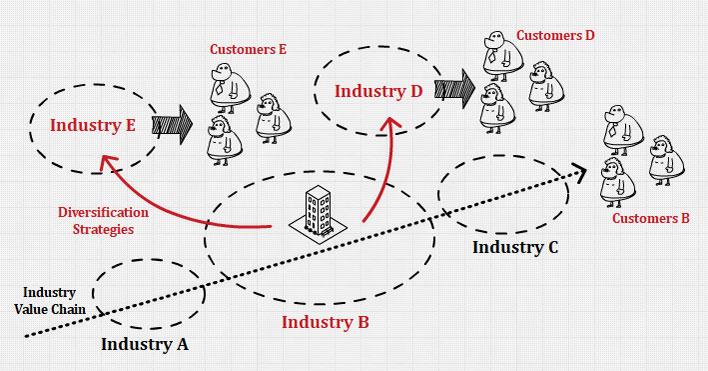
In the pursuit of long-term financial security for your family, employing a strategy that spreads investments across various asset classes can significantly reduce potential risks. This approach, known as diversification, acts as a financial safety net, cushioning against market volatility and economic downturns. By allocating resources across a mix of equities, bonds, real estate, and other alternative investments, you create a balanced portfolio that leverages different market cycles and sectors.
- Equities: Investing in a diverse range of stocks provides growth potential and income through dividends.
- Bonds: These offer stability and regular interest payments, counterbalancing the volatility of stocks.
- Real Estate: Property investments can provide steady rental income and hedge against inflation.
- Alternative Investments: Consider options like commodities or cryptocurrencies for potential high returns, albeit with higher risks.
By strategically diversifying your portfolio, you not only safeguard your family’s financial future but also position yourself to capitalize on opportunities in various economic conditions. This proactive approach ensures that no single market event can drastically undermine your financial goals.

Balancing Short-Term Needs with Long-Term Goals
When strategizing for your family’s financial future, it’s crucial to align immediate necessities with your overarching objectives. Achieving this balance requires an analytical approach to resource allocation. Start by establishing a clear hierarchy of financial needs and goals. Address essentials like mortgage payments, education fees, and healthcare, while also setting aside funds for retirement and investment opportunities.
- Emergency Fund: Prioritize building an emergency fund to cover unexpected expenses, which acts as a financial cushion and protects your long-term investments.
- Diversified Investments: Consider diversifying your portfolio to mitigate risks while ensuring steady growth. Include a mix of stocks, bonds, and real estate to balance short-term liquidity with long-term capital appreciation.
- Regular Reviews: Schedule periodic reviews of your financial plan to adjust for changes in income, expenses, or market conditions, ensuring your strategy remains aligned with both current and future needs.
By systematically addressing immediate financial obligations while progressively investing in long-term assets, you create a robust foundation for sustained financial security. This disciplined approach not only meets today’s demands but also safeguards your family’s future prosperity.
Leveraging Tax-Advantaged Accounts for Family Wealth
Maximizing the potential of tax-advantaged accounts is a strategic move that can significantly bolster your family’s financial future. These accounts offer a variety of benefits that can reduce taxable income and allow investments to grow tax-free or tax-deferred. By understanding and utilizing these options, families can create a robust financial plan tailored to their unique needs.
- 401(k) and IRA Accounts: Contributing to these retirement accounts not only defers taxes on your income but also provides compounding growth opportunities over time.
- 529 College Savings Plans: Designed for education savings, these plans grow tax-free, and withdrawals for qualified education expenses are also tax-exempt.
- Health Savings Accounts (HSAs): Offering triple tax benefits, HSAs allow for pre-tax contributions, tax-free growth, and tax-free withdrawals for medical expenses.
By leveraging these accounts, families can ensure a more secure financial future while also taking advantage of the tax savings available. A strategic approach that balances contributions across these vehicles can optimize long-term growth and safeguard your family’s wealth.