

Planning for retirement is a crucial journey that demands foresight, strategy, and a steadfast commitment to your future well-being. As you stand at the crossroads of your working years and the prospect of a serene retirement, it’s essential to chart a course that ensures not only financial security but also a lifestyle that is fulfilling and comfortable. In this guide, we will explore the best practices and strategies for crafting a retirement plan that aligns with your aspirations and needs. With expert insights and practical advice, you’ll gain the confidence to navigate the complexities of retirement planning, ensuring that your golden years are not just a distant dream but a rewarding reality. Whether you’re just beginning to consider retirement or are refining an existing plan, this article will equip you with the knowledge to make informed decisions and secure a prosperous future.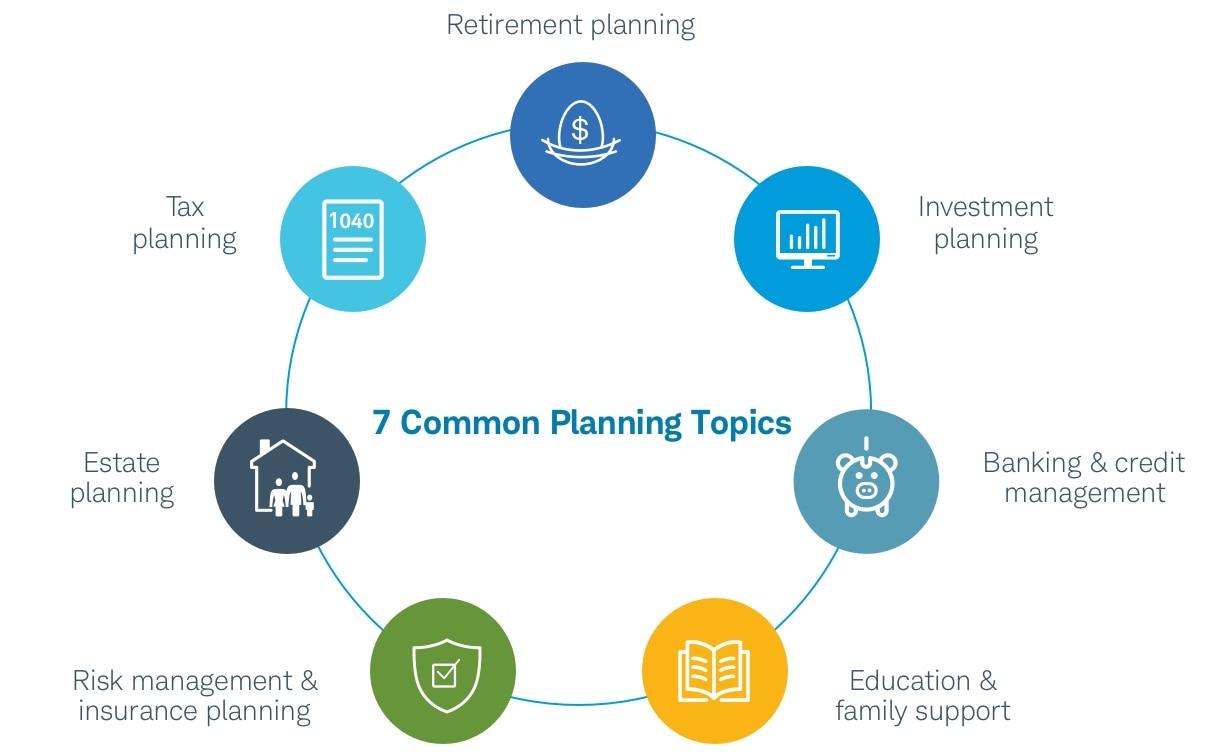
Building a Robust Financial Foundation for Your Retirement
To ensure a secure and enjoyable retirement, it is crucial to lay down a strong financial groundwork. Here are some key strategies to consider:
- Diversify Your Investments: Spreading your investments across different asset classes can help mitigate risks and increase potential returns. Consider a mix of stocks, bonds, real estate, and other assets.
- Maximize Retirement Accounts: Take full advantage of retirement savings plans such as 401(k)s and IRAs. Contribute as much as you can, especially if your employer offers matching contributions.
- Plan for Healthcare Costs: Medical expenses can be a significant burden during retirement. Look into options like Health Savings Accounts (HSAs) and long-term care insurance to cover future healthcare needs.
- Establish an Emergency Fund: Having a reserve of liquid assets for unexpected expenses can prevent you from dipping into your retirement savings prematurely.
Building a robust financial foundation is about making informed decisions today to ensure comfort and stability tomorrow. Each step you take strengthens your financial security and brings you closer to the retirement lifestyle you envision.
Maximizing Your Investment Portfolio for Long-term Growth
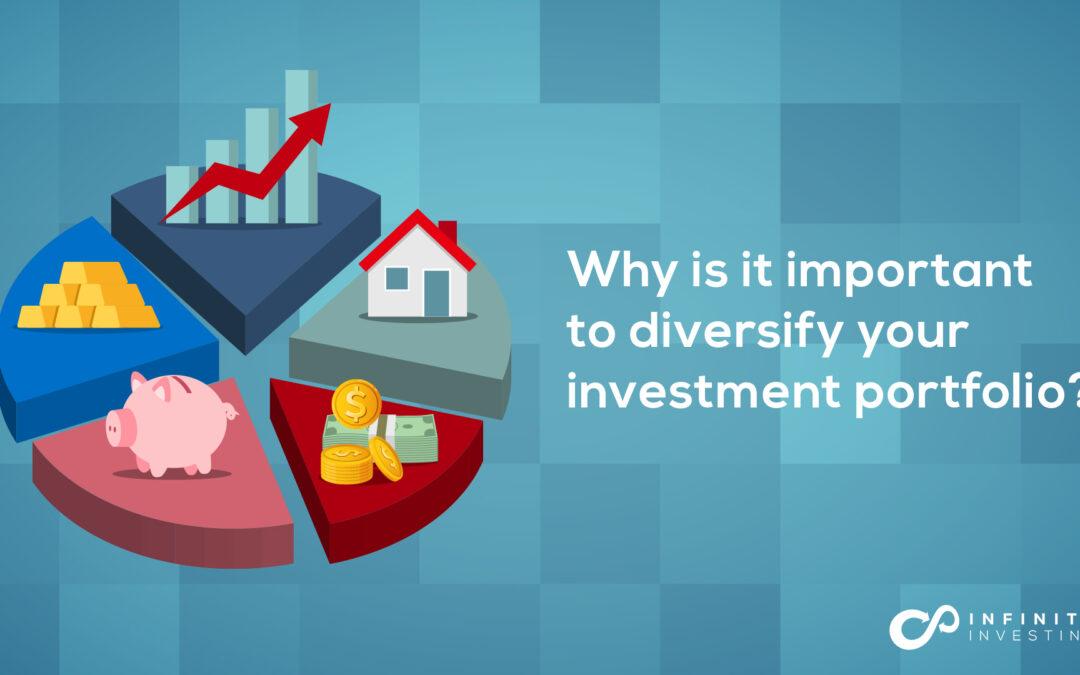
When aiming for long-term growth in your investment portfolio, it’s crucial to adopt strategies that balance risk and reward. Diversification remains a cornerstone of successful investing. By spreading investments across various asset classes such as stocks, bonds, and real estate, you can mitigate risks and capitalize on growth opportunities. Stocks offer potential high returns, while bonds provide stability, and real estate can serve as a hedge against inflation.
- Regularly Rebalance: Adjust your portfolio periodically to maintain your desired asset allocation.
- Invest in Index Funds: Consider low-cost index funds that track market performance for a diversified approach.
- Stay Informed: Keep abreast of market trends and economic indicators that could affect your investments.
- Long-Term Focus: Avoid reacting to short-term market volatility; instead, focus on long-term growth potential.

Strategic Health and Wellness Planning for a Fulfilling Retirement
Planning for a fulfilling retirement is not just about financial security; it’s equally crucial to focus on health and wellness strategies that will allow you to enjoy your golden years to the fullest. Invest in regular health check-ups to catch potential issues early and maintain a balanced diet tailored to your nutritional needs. Consider incorporating the following practices into your routine:
- Stay Active: Engage in regular physical activities such as walking, yoga, or swimming to keep your body fit and agile.
- Mental Stimulation: Pursue hobbies that challenge your brain, like puzzles, reading, or learning a new skill.
- Social Connections: Cultivate relationships and participate in community activities to combat loneliness and enhance emotional well-being.
- Mindfulness and Relaxation: Practice meditation or deep-breathing exercises to reduce stress and promote mental clarity.
By prioritizing these aspects, you create a holistic approach to retirement that ensures both your body and mind are prepared to enjoy this new chapter of life.
Crafting a Lifestyle Plan that Aligns with Your Retirement Goals
To truly enjoy your golden years, it’s essential to create a lifestyle plan that mirrors your aspirations and financial realities. Start by visualizing what a fulfilling retirement looks like for you. Consider the following key elements:
- Health and Wellness: Prioritize activities that maintain your physical and mental health. This could mean joining a local gym, practicing yoga, or taking daily walks in nature.
- Financial Management: Establish a realistic budget that covers both your needs and desires. This might include travel, hobbies, and dining experiences.
- Social Engagement: Cultivate a strong social network by participating in community events, volunteering, or joining clubs that align with your interests.
By focusing on these components, you can craft a retirement lifestyle that is not only sustainable but also deeply satisfying.