

In today’s fast-paced world, managing family debt can often feel like an overwhelming challenge. However, it doesn’t have to be a source of stress. With the right strategies and a proactive approach, you can effectively take control of your family’s financial situation. This article will guide you through practical steps to manage family debt confidently and efficiently, ensuring peace of mind for you and your loved ones. By implementing these methods, you’ll not only alleviate financial stress but also pave the way for a more secure and prosperous future.
Creating a Realistic Family Budget for Peace of Mind
To establish a budget that truly serves your family’s needs, start by listing all your income sources and fixed expenses. Include everything from mortgage or rent payments to utility bills and groceries. Don’t forget to allocate funds for occasional expenses like car maintenance and medical costs. Once you have a clear picture of your financial landscape, categorize your expenses into essential and non-essential. This will help you identify areas where you can cut back without compromising on the quality of life.
Consider these key steps to streamline your budgeting process:
- Automate savings: Set up automatic transfers to your savings account to ensure you are consistently building a financial cushion.
- Review regularly: Schedule monthly check-ins to assess your spending habits and adjust your budget as necessary.
- Involve the family: Discuss the budget with family members to foster a sense of shared responsibility and encourage cost-saving ideas.
- Set realistic goals: Define clear, achievable financial goals to keep everyone motivated and on track.

Effective Communication Strategies for Debt Management
To manage family debt effectively, open and honest communication is essential. Start by gathering all family members involved in the financial situation to ensure everyone is on the same page. This helps in fostering a sense of shared responsibility and transparency. Establish clear financial goals as a family and discuss the current debts, their interest rates, and the timelines for repayment. It’s crucial to create an environment where everyone feels comfortable discussing financial concerns without judgment or blame.
Incorporate these strategies into your family discussions:
- Regular Check-ins: Schedule monthly meetings to review the progress of debt repayment and adjust strategies if necessary.
- Budget Transparency: Share the family budget with all members to highlight where cuts can be made and how savings can be maximized.
- Role Assignments: Delegate specific tasks, such as monitoring expenses or researching lower interest rates, to different family members to promote engagement and accountability.
- Celebrate Milestones: Acknowledge and celebrate small victories, like paying off a particular debt, to maintain motivation and morale.

Leveraging Financial Tools to Simplify Debt Repayment
When it comes to simplifying debt repayment, utilizing financial tools can be a game-changer. These tools not only provide clarity but also ensure you stay on track with your financial goals. Consider using budgeting apps that sync directly with your bank accounts, giving you real-time insights into your spending habits and helping you allocate funds towards debt repayment efficiently. Furthermore, explore debt management software that consolidates all your debts in one place, allowing you to prioritize and strategize payments effectively.
- Automated Payment Systems: Set up automatic payments to ensure you never miss a due date, avoiding late fees and reducing stress.
- Online Calculators: Use these to understand the impact of extra payments on your debt timeline, helping you make informed decisions.
- Credit Score Monitoring Tools: Regularly track your credit score to see the positive impact of your debt repayment efforts.
By integrating these tools into your financial routine, you’ll not only streamline the repayment process but also gain peace of mind knowing you’re actively managing your family’s debt without the added stress.
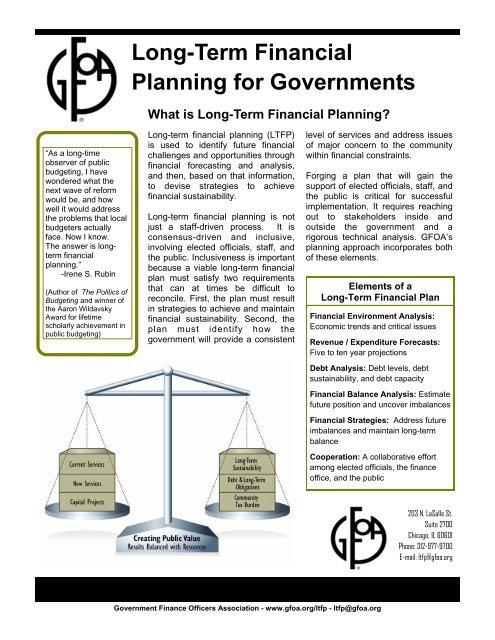
Building a Long-Term Financial Plan to Prevent Future Debt
Establishing a robust financial strategy is crucial for safeguarding your family from future debt. Start by setting clear financial goals that are both realistic and achievable. Consider what you want to accomplish in the next 5, 10, or even 20 years. These goals could include saving for retirement, funding your children’s education, or purchasing a home. Align your budget with these objectives to ensure every dollar is working towards your family’s future.
Implementing a few strategic practices can significantly bolster your financial resilience. Consider the following steps:
- Emergency Fund: Prioritize building an emergency fund that covers 3-6 months of living expenses.
- Debt Prioritization: List all outstanding debts and focus on paying off those with the highest interest rates first.
- Regular Reviews: Schedule regular financial check-ins to adjust your budget and savings plans as needed.
- Investment Strategy: Explore investment opportunities that align with your risk tolerance and long-term goals.
By incorporating these practices, you can create a financial plan that not only prevents future debt but also promotes peace of mind and financial stability for your family.